

World Cup 2026 Scams Spark Urgent Cybersecurity Wave
With the World Cup 2026 Scams just days away from its opening match, federal authorities and global cybersecurity experts are sounding an urgent alarm. Digital thieves have launched a massive, coordinated campaign targeting soccer fans eagerly searching for tickets, merchandise, and live broadcasts. Because millions of people are desperately trying to secure a piece of the action across multiple host nations, criminals are taking full advantage of the high demand and chaotic rush. They are deploying a dangerous mix of counterfeit websites, malicious phone applications, and sophisticated login traps designed to drain bank accounts and steal personal identities.
Massive Network of Cloned Sites Steals Tickets and Credentials
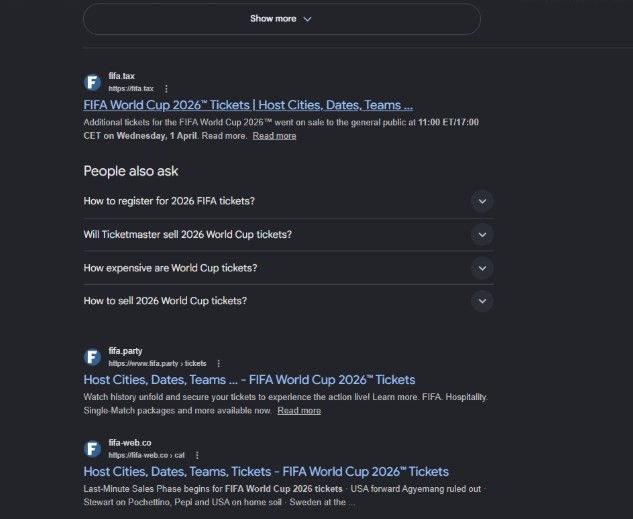
At the heart of this criminal offensive is a massive network of thousands of fake internet domains designed to look exactly like the official tournament platform. One organized group alone has been found running hundreds of these mirror sites using a single, highly effective hacking kit. These fraudulent pages are incredibly convincing because they pull visual data directly from legitimate servers, perfectly mimicking the official login screens down to the smallest detail.
When unsuspecting fans attempt to log in or reset their passwords on these copycat pages, the attackers immediately hijack their credentials. Once inside a victim’s real account, the thieves lock the rightful owner out and quickly turn around to resell any digital tickets attached to that profile. To hook their victims, the scammers are flooding social media platforms like Facebook, WhatsApp, and Telegram with deceptive advertisements. They accept a wide variety of payment methods, including digital wallets and even cryptocurrency. Experts note that the demand for crypto is the ultimate dead end, as the official organization never accepts digital coins for ticket sales.
Dangerous Mobile Software Disguised as Free Broadcasts
For supporters who plan to watch the matches from home, the threat shifts directly to their smartphones. Security firms have detected a sharp spike in rogue streaming applications that promise free access to live games but secretly carry severe banking malware. These applications are hosted on third-party websites rather than official app stores, meaning users must bypass their phone’s built-in safety warnings to install them.
Once these malicious apps gain a foothold on a device, they ask for deep system permissions under the guise of regular operations. If granted access, the software can overlay invisible windows on top of legitimate banking applications, log every keystroke, and even read incoming text messages to steal temporary security codes. Some versions of this malware are even capable of scanning note-taking apps to uncover hidden passwords and private financial keys. Security analysts warn that a streaming app has absolutely no legitimate reason to request deep control over a phone’s accessibility features, and doing so is an immediate sign of danger.
Counterfeit Stores and Unsecured Wireless Networks Trap Travelers
The criminal network extends far beyond fake ticket windows and bad apps. Social media feeds are currently packed with dozens of fraudulent advertising campaigns selling knockoff jerseys, fake collectible stickers, and phony tournament sweepstakes promising multi-million dollar payouts. Even worse, automated bots and ready-made hacking kits are being sold openly online, allowing low-level scammers to easily launch their own copycat operations.
Fans traveling to the host cities face additional digital traps when connecting to local infrastructure. Recent tech surveys in major metropolitan areas revealed that up to twelve percent of public wireless networks are completely unsecured and lack password protection. This creates a perfect environment for hackers to set up identical, fake hotspots that quietly intercept all the data passing through a traveler’s phone.
To stay safe throughout the summer, experts insist that fans must only type the exact official web address directly into their browsers rather than clicking on promotional links. Furthermore, anyone using public internet connections in host cities should stick to mobile data and strictly avoid logging into financial accounts while out in public.