
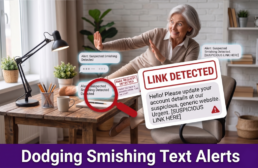
How to Spot Smishing Scams Before They Spot You
Imagine relaxing on a quiet Sunday afternoon when your smartphone suddenly buzzes, breaking the silence with an alarming notification that claims your bank account has been compromised. Alternatively, picture yourself working diligently at your computer when an aggressive pop-up window suddenly blocks your screen, loudly insisting that your operating system is infected and providing a toll-free number to call immediately. These two scenarios represent the vanguard of modern digital deception, combining psychological manipulation with high-pressure tactics designed to strip away your hard-earned money before you even realize what hit you. By exploiting our natural tendency to trust institutional authority, cybercriminals have successfully turned our most intimate devices against us through highly sophisticated social engineering techniques. Consequently, understanding how these direct communication attacks operate has quickly transformed from a niche tech skill into an absolute necessity for daily survival in the digital age.
This article is part of our guide ”2026 Cybersecurity Tips for Seniors”
The Dark Anatomy of Smishing Text Alerts
To illustrate how these deceptive campaigns operate in the wild, let’s take a look at the most common variations currently circulating across global mobile networks:
| Scam Variant | Common Pretext Trigger | Ultimate Goal of Attacker |
| The Fake Package Delivery | “Your shipment requires an additional fee of two dollars to complete delivery.” | Stealing credit card details via a fraudulent payment portal. |
| The Urgent Security Breach | “We have detected unauthorized login attempts on your banking profile.” | Capturing online banking credentials and multi-factor bypass codes. |
| The Government Rebate | “You are eligible for an uncollected tax refund click here to claim your funds.” | Gathering social security numbers and full identity profiles. |
As a golden rule of digital hygiene, you must remember that legitimate financial institutions will absolutely never send you unexpected text messages containing direct links to login screens. Therefore, whenever you receive a notification demanding immediate action regarding your finances, you should automatically assume that a threat actor is trying to manipulate your emotions.
Smishing: Behind the Screen of the Microsoft Tech Support Scam
While text-based deception relies on brevity, the notorious Microsoft tech support scam takes a far more elaborate, vocal approach by trapping victims in an artificial state of digital panic. This pervasive scheme typically begins when a user accidentally navigates to a compromised website, which immediately triggers a malicious script that locks the browser window while flashing bright red warning signs. Simultaneously, the computer may start blaring an automated audio recording that falsely claims a severe trojan virus is actively stealing financial data from the hard drive.
Out of sheer panic, many users quickly dial the prominent phone number displayed on the screen, assuming they will reach a certified engineer who can safely guide them out of the crisis. Instead, the call routes directly to a rogue boiler-room call center where a polished operator uses convincing technical jargon to deepen the victim’s anxiety. Once the fraudster establishes psychological dominance, they will rapidly transition to their primary objective, which always involves introducing the profound remote access danger into the equation.
By persuading the victim to download legitimate remote desktop software like AnyDesk or TeamViewer, the criminal gains complete, unfettered command over the entire computer system. From that point forward, they can seamlessly manipulate your screen, plant actual malware to harvest saved passwords, or open background tabs to transfer funds directly out of your accounts while you watch helplessly.
📖 Power Up Your Digital Playbook
If you want to stay ahead of modern con artists, you can’t just react to the news—you need a personal playbook. That is exactly why we created our premier digital guide: “7 Things Every Adult Should Know When Navigating Online.” > Written specifically with seniors in mind, this guide strips away the condescending tech-speak and gives you the exact, actionable blueprints to protect your retirement, your identity, and your peace of mind.

The Silent Trap of Bank Card Phone Verification
If you manage to dodge the initial tech support trap, fraudsters possess another incredibly dangerous arrow in their quiver that relies on deep psychological manipulation. This deceptive playbook flips the script entirely: instead of waiting for you to call them, the criminals proactively ring your phone while impersonating a senior investigator from your bank’s fraud department. Because they frequently use caller ID spoofing technology to display the actual name and telephone number of your financial institution, it becomes terrifyingly easy to mistake the predator for a protective ally.
The caller will typically sound highly professional and empathetic, calmly explaining that they have intercepted a suspicious transaction on your account, such as an expensive electronics purchase in a distant city. To fix this fictional emergency, the agent will claim they need to perform a routine bank card phone verification to confirm your identity and reverse the unauthorized charges. This is precisely where the trap snaps shut with lethal precision.
[Attacker Spoofs Bank Number] ──> [Calls Victim Explaining "Fraud"] ──> [Requests One-Time Code] ──> [Empties Account]
In reality, the fraudster is sitting in front of a computer, actively typing your username into your bank’s actual login portal. When the system automatically triggers a multi-factor authentication code to your mobile device, the smooth-talking criminal on the line will casually ask you to read that code aloud to complete the verification. The moment you hand over those numbers, you are not stopping a fraudster—you are literally handing them the digital keys to bypass your security and drain your savings in seconds.
Flip the Card: The Ultimate Shield Against Smishing
When you find yourself caught in the crosshairs of aggressive communication scams, it can feel like the digital deck is heavily stacked against you. Fortunately, you hold a foolproof, unhackable defensive weapon right in your wallet, and it requires absolutely no technical expertise to deploy effectively. This straightforward strategy is known as the “flip the card” trick, and it serves as the ultimate circuit breaker whenever an unexpected caller or sender tries to pressure you into a corner.
The strategy is incredibly simple yet completely effective:
-
Break the Emotional Contact: If an aggressive caller tells you your account is frozen, or if an urgent message demands an immediate click, take a deep breath and immediately sever the connection.
-
Locate the Real Number: Physically pull your debit or credit card out of your wallet and turn it over to look at the plastic backing.
-
Call the Source Directly: Dial the official customer service telephone number printed directly on the back of the card, ensuring you bypass any contact information provided by the suspicious caller.
By taking the initiative to originate the phone call yourself, you completely eliminate the possibility of talking to an imposter or falling victim to caller ID manipulation. If the previous alert was actually legitimate, the genuine bank customer service team will see the note on your profile and help you immediately; if it was a scam, you have successfully left the fraudster empty-handed.
Final Thoughts: Protecting Your Digital Footprint
At the end of the day, protecting your hard-earned finances from sophisticated digital predators comes down to maintaining control over how and when you communicate. Cybercriminals rely entirely on speed, fear, and manufactured urgency to override your natural skepticism, making it vital for you to slow down when a digital interaction turns intense. Whether you are dealing with deceptive smishing text alerts or aggressive pop-ups, remember that genuine institutions will always give you the time to verify their identity on your own terms. By staying informed, practicing healthy skepticism, and remembering to flip your card, you can easily navigate the digital landscape with total confidence.